  • AFRICA'S MOST ADVANCED FIRE TESTING COMPANY - IN CAPE TOWN.

    Ignis Testing proudly announces the launch of its augmented testing laboratory, setting a new benchmark in fire safety testing. With its central location near Cape Town and Stellenbosch, this facility is designed to meet the burgeoning global demand for fire safety services and a crucial local need. With a mission to enhance fire safety compliance worldwide, Ignis Testing's new premises allow for a broader range of tests and increased capacity. They showcase South African engineering excellence while meeting the stringent international standards.
    GET A QUOTE FOR FIRE TESTING

IGNIS TESTING HAS A GROUNDBREAKING EXPANDED FIRE TESTING FACILITY

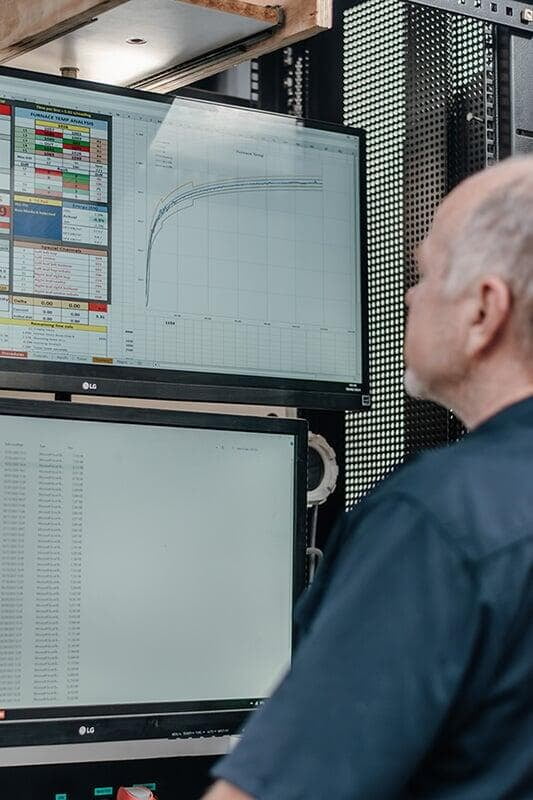
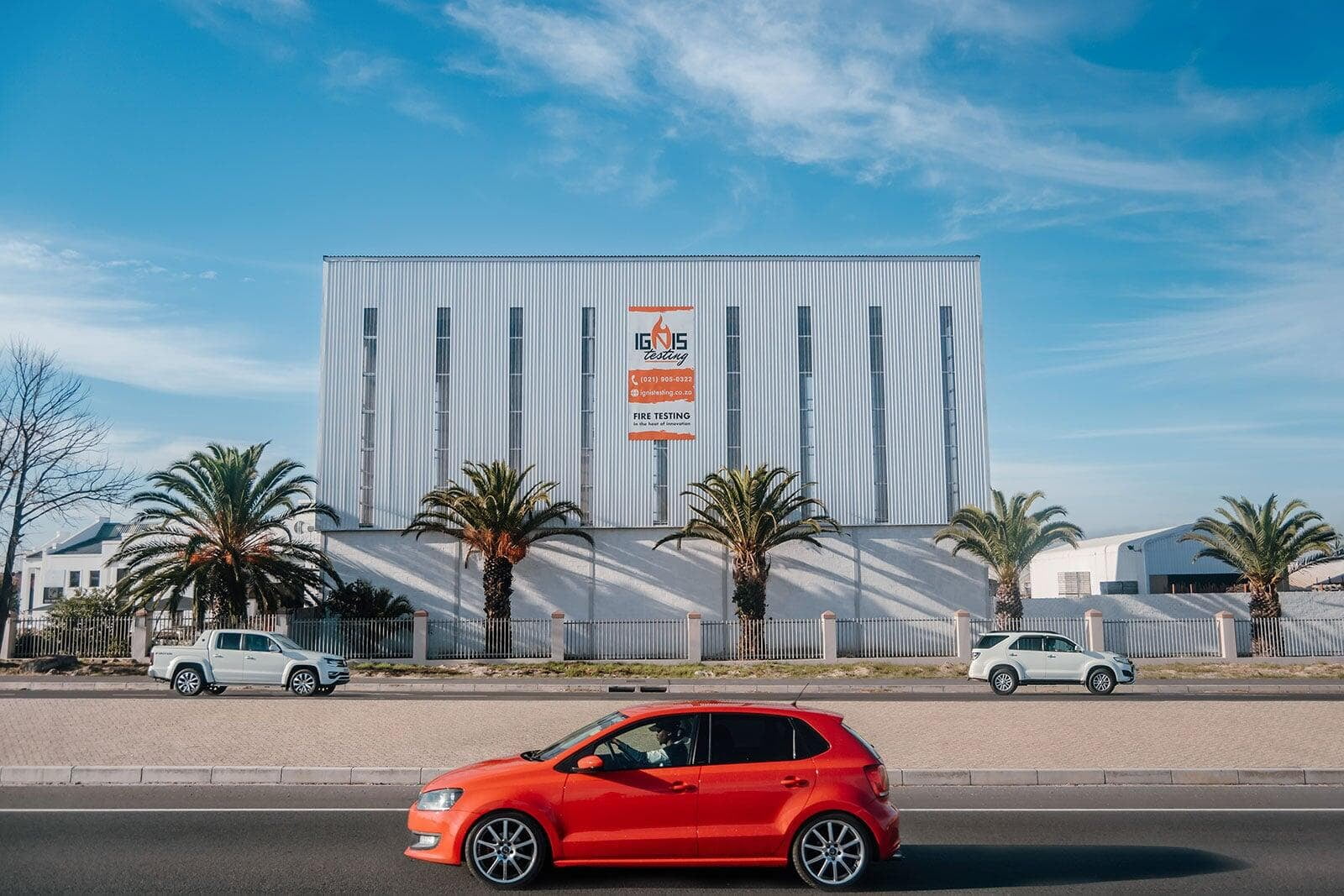
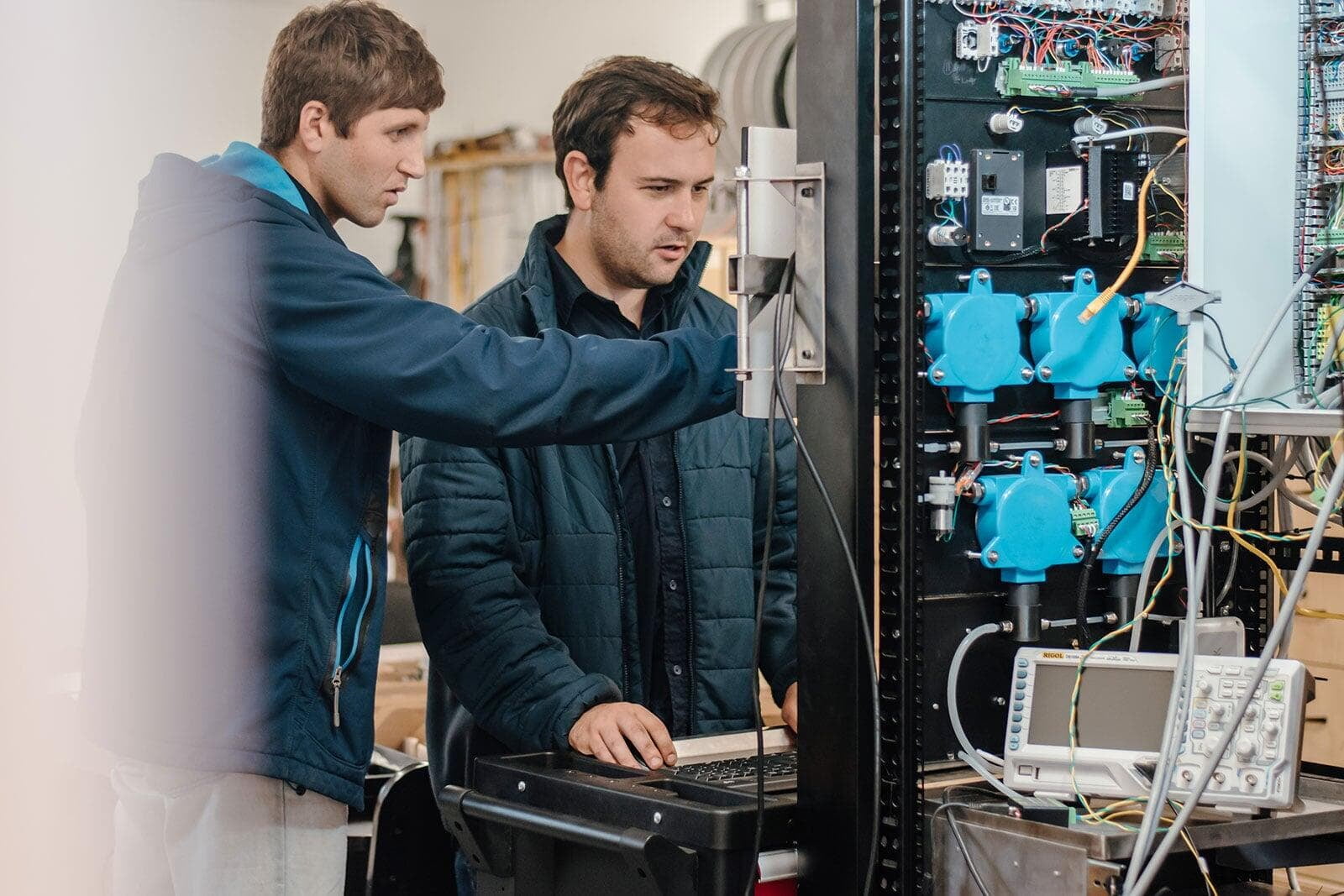
The 1500 square meter facility with an 18 m-high roof boasts advanced fire testing equipment, including five furnaces and a calorimeter. All hardware, software, and control systems are custom-designed and built in-house to ensure increased functionality, innovation and research. The laboratory and workshop follow sustainable, eco-friendly practices, including rainwater harvesting, solar power, and air filtering to improve indoor air quality and reduce toxic emissions into the atmosphere. 

TYPES OF TESTS CONDUCTED AT IGNIS

Ignis Testing's state-of-the-art facility is equipped to conduct a wide array of fire safety tests, comprehensively covering fire resistance and prevention standards in compliance with South African and international (including ISO 17025) codes.

Currently, the facility offers an increasing list of tests:

Fire resistance tests

  • Vertical furnaces for testing fire-doors and wall panels for fire division compliance
  • Horizontal furnace tests for floors,roofs and ceilings
MORE ABOUT FIRE-RESISTANCE

Reaction-to-fire tests

  • Single Burning Item (SBI) tests (SANS 53823), 
  • Ignitability tests (SANS 11925-2), 
  • Non-combustibility tests (SANS 10177-5), 
  • The Radiant Heat Source for Flooring Material (EN 9239-1)
  • Cone calorimetry (EN ISO 5660), 
  • Bomb calorimetry, 
  • Radiant floor panel
MORE ABOUT REACTION-TO-FIRE

other tests

  • Auxiliary fire equipment (such as sprinkler) tests.
  • Fire suppression tests
  • Building façade tests (BS 8414-1)
  • They can also adapt their range according to special enquiries beyond standard testing. 
This broad spectrum of testing services firmly positions the facility as a pioneering, future-ready institution, poised to meet evolving global standards and client needs.

BURNING QUESTIONS ANSWERED

We know fire testing can sound complex, so we’ve put together answers to the questions we hear most often. From test standards to safety measures, you’ll find it all here.
KM-01: Health, Safety, Quality and Legislation
Covers workplace safety, environmental awareness, and compliance standards.

Topics include:
    • Legislation and regulations for workplace safety within electricity
    • Occupational health and safety principles
    • Safety precautions and safe practices in the industry
    • Personal protective equipment (PPE)
    • Safety symbols and colour coding
    • Isolation and lock-out procedures
    • Securing worksites and using protection devices
    • Fire prevention and control
    • Hazard identification and risk management
    • Environmental protection and pollution control
    • Basic first aid, incident reporting, and evacuation procedures
    KM-02: Tools, Equipment and Materials

    Develops skills for using and maintaining tools and testing instruments.


    Topics include:
    • Types, uses, and care of hand, portable, and fixed power tools
    • Portable electrical measuring instruments
    • Safe use and connection of measuring and testing devices
    • Operating principles and applications of testing instruments
    • Maintenance of single- and three-phase instruments
    • Instrument transformers and protection in circuits
    KM-03: Electricity and Electronics
    Introduces electrical fundamentals and electronic systems.

    Topics include:
    • Electrical principles, circuits, voltage, current, and resistance
    • Conductors, insulators, and semiconductors
    • Basic magnetism and circuit calculations
    • IEC symbols for electronic components
    • Principles and functions of electronic devices and circuits
    • Single- and three-phase rectification
    • Earthing and bonding requirements for equipment and cables
    KM-04: Industry Context
    Prepares students for the professional environment of the trade.

    Topics include:
    • The electrician’s world of work
    • Career opportunities and growth paths
    • Electrician’s responsibilities and duties
    • Legislation relating to apprenticeships
    KM-05: Wireways and Wiring
    Focuses on electrical installation practices and SANS compliance.

    Topics include:
    • Types, purpose, and applications of wireways
    • General provisions from SANS 10142-1
    • Wiring regulations and statutory requirements
    • Electrical diagrams, symbols, and components
    • Methods of earthing and bonding on low-voltage systems
    KM-06: Rotating Electrical Machinery
    Explores AC and DC machines, alternators, and generators.

    Topics include:
    • Construction and operation of AC and DC motors
    • Motor connections, types, applications, and protection
    • Motor and generator testing procedures
    • Calculating motor and generator performance
    • Alternator and generator configurations and safety principles
    KM-07: Electrical Supply Systems and Components
    Covers power generation, transmission, and system components.

    Topics include:
    • AC/DC theory, sources, and characteristics
    • Distribution systems and waveform calculations
    • Renewable energy principles and legislative requirements
    • Batteries: operation, classification, safety, and maintenance
    • Transformers: single and three-phase operation, cooling, and protection
    • Cable types, materials, applications, and installation safety
    • Switchgear and control gear: components, drawings, PLCs, soft starters, and VSDs
    • Lighting systems and illumination principles
    KM-08: Low Voltage Protection
    Focuses on system safety and compliance for low-voltage circuits.

    Topics include:
    • Purpose and application of low-voltage protection
    • Types and parameters of protection devices
    • Statutory requirements for low-voltage systems
    KM-09: Fault Finding
    Builds diagnostic and troubleshooting skills for electrical systems.

    Topics include:
    • Fault-finding principles and techniques for circuits
    • Step-by-step fault detection and repair methods
    • Safety requirements during troubleshooting
    READ MORE QUESTIONS

    OUR CLIENTS' EXPERIENCES

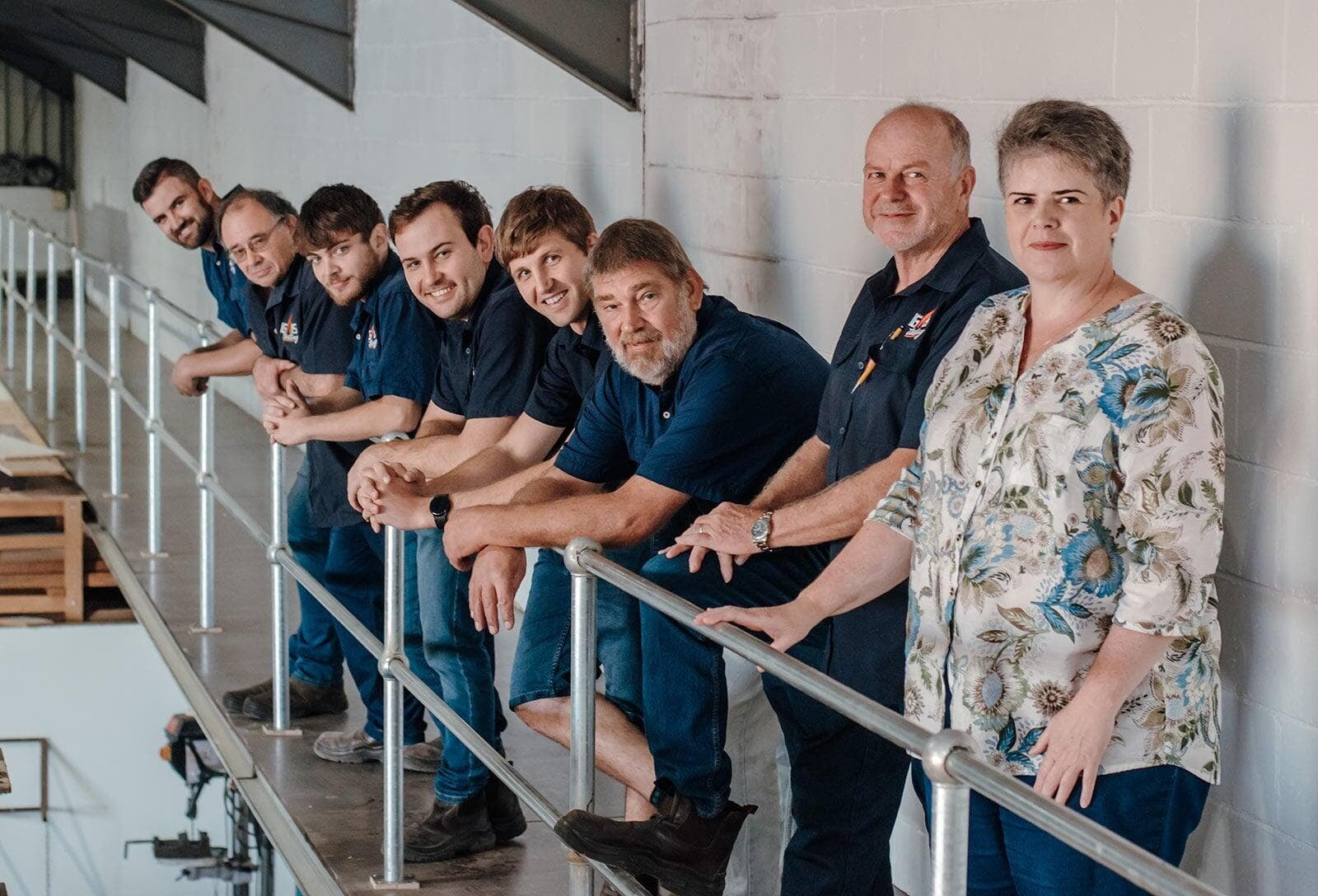
    Ignis Testing team

    KEY PERSONNEL

    Dirk Streicher, founder of Ignis Testing, brings over 30 years of experience in multi-disciplinary engineering to the company. Working with him is a team of skilled professionals, including mechanical, chemical, and civil engineers, complemented by technical specialists like fitters, turners, millwrights, and assistants, all integral to the company’s operations.
    MEET THE TEAM

    RESEARCH & DEVELOPMENT

    Ignis Testing is at the forefront of local and global fire safety research and development in collaboration with Stellenbosch University's multi-engineering team at the Fire Engineering Research Unit (FireSUN) under the leadership of Prof Richard Walls. Dirk Streicher works closely with students and staff at Stellenbosch University and is also an extraordinary faculty member. Ignis Testing allows engineering students to conduct fire tests and experiments. Dirk has supported numerous students in their advanced degrees, co-authoring impactful research that pushes the boundaries of fire safety engineering.

    This partnership between Ignis Testing and FireSUN encourages a symbiotic relationship between academia and industry to advance fire safety standards and train fire engineering experts for the future. 
    ABOUT UNIVERSITY AFFILIATION
    Ignis Testing technology
    Fire Engineering

    TRUSTED BY SABS TESTING SERVICES AS WELL AS TIPSASA

    Ignis Testing is recognized for its authoritative testing services and is entrusted by the South African Bureau of Standards (SABS) to conduct tests on its behalf, reflecting the company's adherence to stringent quality and safety benchmarks. 

    Ignis Testing is also in discussions with Tipsasa to potentially conduct their thorough testing services. Their tests distinguish between fire resistance, which evaluates the duration a material can withstand fire while maintaining structural integrity, and reaction to fire, which assesses material combustibility and contribution to fire growth. Ignis Testing utilizes the SANS 10177-2 standard to gauge fire resistance and has adopted the EN 13501-1 classification for measuring the fire performance of thermal insulation products. This adoption ensures compliance with international benchmarks, aiming to enhance public safety and property protection.

    Both these endorsements not only solidifies Ignis Testing's position within the industry but also serves as a testament to their expertise and the trust placed in their results. 
    SABS
    TIPSASA
    Ignis Testing building

    LOCAL IMPACT & INTERNATIONAL APPEAL

    The multi-million Rand investment significantly advances the fire testing industry in South Africa, which enhances the safety of building materials for both local use and export. It has great potential to impact the local economy by allowing an extensive range of fire tests to be conducted within South African borders. The laboratory's cutting-edge innovation and technology, competitive prices, and quick turnaround time are also attracting global clients. 

    FUTURE VISION & GROWTH

    Ignis Testing is committed to innovation. They plan to expand further to include room corner, façade, and gas suppression tests – and more. The facility's strategically designed equipment places it on par with leading international laboratories, promising significant contributions to fire safety research and the local economy.
    Ignis Testing modern technology